Exploring Sister Cities of New York – Global Partnerships and Cultural Connections
New York City is more than a cultural and financial hub; it is also a global ambassador of diplomacy through its sister city relationships. These partnerships connect New York with cities across the globe to promote cultural exchange, economic cooperation, and mutual understanding. The concept of sister cities emerged after World War II, aiming to foster peace and collaboration at a local level by linking communities across borders.
Today, New York’s sister city partnerships reflect its role as one of the most diverse cities in the world. Each partnership has a unique focus, ranging from arts and education to business and sustainability. Together, they create a living bridge between residents of New York and millions of people abroad.
The Concept of Sister Cities and Their Relevance
The idea of sister cities, also known as twin towns, is based on forming long-term partnerships between cities in different countries. These relationships encourage people-to-people diplomacy and often highlight shared values, history, or cultural characteristics.
For New York, sister city connections allow the city to extend its influence and learn from others. They offer opportunities for collaboration in areas such as climate action, trade development, and urban planning. These partnerships also celebrate diversity, reinforcing New York’s identity as a city shaped by global cultures.
New York’s Sister Cities Around the World
Tokyo, Japan

One of New York’s most significant sister city relationships is with Tokyo, Japan. This partnership emphasizes technology exchange, cultural festivals, and education programs. Both cities are megacities that face challenges of urban density, infrastructure management, and climate resilience.
The collaboration has led to shared projects in disaster preparedness and urban transportation. Festivals celebrating Japanese culture in New York and American culture in Tokyo deepen the sense of community between the two cities.
Beijing, China
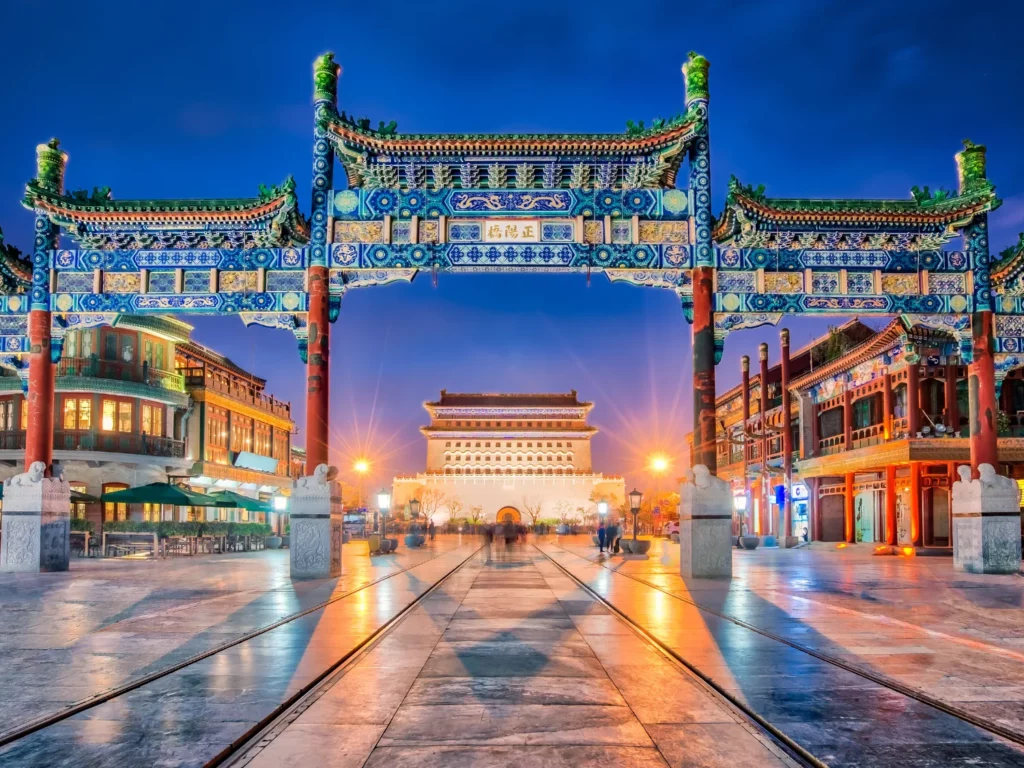
The sister city relationship between New York and Beijing highlights the importance of dialogue between the United States and China at a local level. This partnership focuses on business exchange, tourism promotion, and educational opportunities for students.
Beijing and New York share an interest in cultural diplomacy. Exchanges of art exhibitions, music performances, and theater productions have strengthened the understanding of each other’s rich cultural traditions. Economic forums between businesses from both cities encourage cross-border investments and cooperation.
Cairo, Egypt
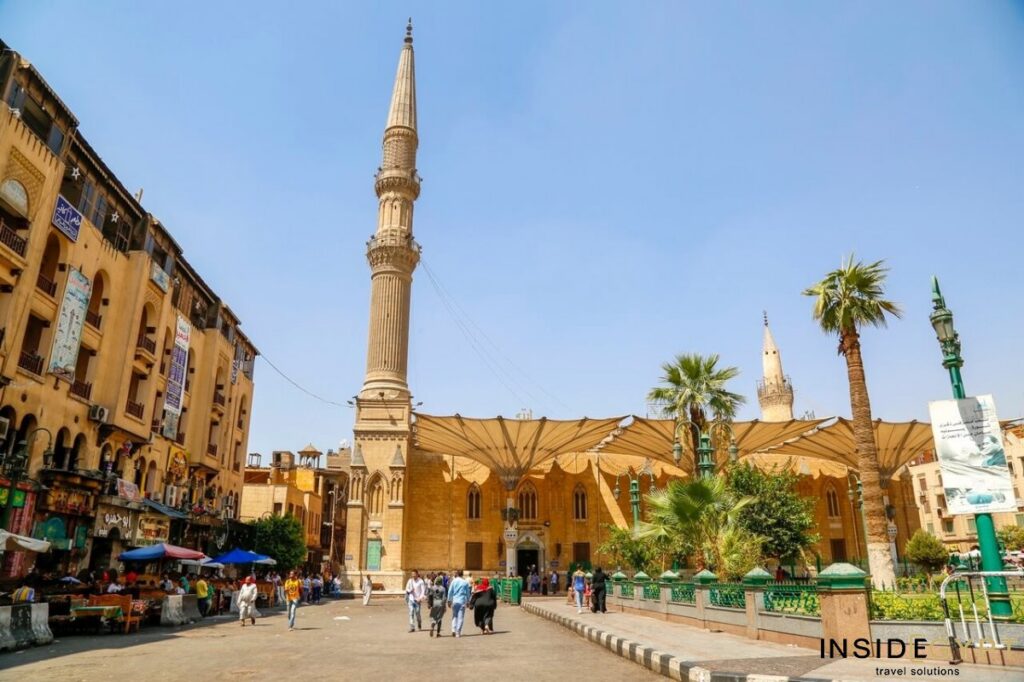
Cairo’s relationship with New York reflects the historical significance of Egypt and its connection to global heritage. This partnership focuses on culture, history, and tourism, allowing New Yorkers to better understand ancient civilizations while promoting Egypt as a modern cultural destination.
Joint initiatives have included archaeological exhibitions, student exchanges, and tourism development strategies. New York museums have frequently hosted Egyptian collections, supported by cultural partnerships that enhance global appreciation of history.
Johannesburg, South Africa

Johannesburg and New York share a partnership rooted in social and cultural transformation. Both cities are diverse urban centers with histories of migration and social change. This sister city relationship highlights cooperation in business development, arts, and community empowerment.
Through exchange programs, artists from Johannesburg have showcased their work in New York, while New York’s institutions have supported community-driven initiatives in Johannesburg. These collaborations demonstrate how sister cities can uplift marginalized voices and promote inclusivity.
Madrid, Spain
Madrid’s sister city relationship with New York strengthens cultural ties between the United States and Spain. The partnership centers around arts, sports, and education. It has also expanded into tourism collaboration, promoting travel between the two cities.
New York has hosted Spanish film festivals, flamenco performances, and culinary showcases, while Madrid has celebrated American jazz and contemporary art exhibitions. Sports exchanges have also become a highlight, with teams and fans fostering global friendships.
The Benefits of Sister City Relationships
Sister city partnerships are not symbolic; they deliver tangible benefits.
- Cultural Exchange: Residents gain firsthand exposure to new traditions, languages, and arts.
- Educational Opportunities: Students participate in exchange programs, broadening their worldview.
- Business Development: Local companies expand into international markets through city connections.
- Shared Knowledge: Cities exchange solutions to urban challenges such as transportation and climate change.
- Community Engagement: Local citizens become global ambassadors, fostering diplomacy from the ground up.
By linking everyday citizens rather than relying only on national governments, sister cities nurture peace and cooperation at a human level.
The Role of Technology in Strengthening Sister City Bonds
In today’s digital world, technology plays a critical role in sustaining and expanding sister city partnerships.
Virtual meetings allow leaders to collaborate despite geographical distances. Online education platforms enable student exchanges without the need for travel. Digital platforms showcase art, music, and performances to global audiences. Even tourism has evolved, with virtual tours allowing people to experience sister cities from home.
These technological advancements ensure that relationships remain vibrant and accessible, even during disruptions such as global pandemics.
Real-World Examples of Projects Born from Sister City Partnerships
New York–Tokyo Technology Exchange
This project focused on sharing innovations in transportation and urban planning. New York learned from Tokyo’s efficient subway system, while Tokyo explored sustainable building practices from New York.
New York–Beijing Cultural Festival
An annual cultural exchange festival has allowed citizens to experience each other’s food, dance, and traditional art. It has become a celebration of friendship and diversity, strengthening ties at the grassroots level.
New York–Cairo Museum Collaboration
Museums in New York and Cairo collaborated to organize an international exhibition on ancient civilizations. This event brought Egyptian history to New York audiences while highlighting the shared importance of cultural heritage.
New York–Johannesburg Arts Exchange
This initiative has provided a platform for emerging artists from Johannesburg to present their work in New York galleries. The project supports cross-cultural creativity while promoting inclusive representation in the arts.
New York–Madrid Sports Collaboration
The partnership has seen sports teams from both cities engage in friendly tournaments, fostering community engagement and celebrating global friendship through athletics.
Why Sister City Relationships Matter
Sister city partnerships solve practical problems by creating opportunities for collaboration. For example:
- When cities face climate challenges, they share solutions through joint sustainability projects.
- When cultural misunderstandings arise globally, cultural exchanges provide education and tolerance.
- When students lack international exposure, sister city programs offer them life-changing experiences.
These partnerships build a foundation for peace, knowledge, and prosperity, showing how local actions contribute to global solutions.
Conclusion: Building Bridges Through Sister Cities
The sister city relationships of New York highlight the city’s identity as a global crossroads. Through these partnerships, New Yorkers engage in cultural exchanges, economic collaborations, and educational opportunities that expand their horizons.
Beyond diplomacy, sister cities serve as a reminder that despite differences, communities across the world share common values. They prove that building connections at the local level can shape a more peaceful and cooperative global future.
Frequently Asked Questions
1. How many sister cities does New York have?
New York has established partnerships with more than a dozen cities worldwide, each focusing on cultural, economic, or social collaboration.
2. Why are sister city relationships important?
They promote peace and cooperation by connecting people across borders, offering opportunities in culture, education, business, and community development.
3. Are sister city programs open to the public?
Yes, many initiatives include cultural festivals, art exhibitions, and student exchanges that allow ordinary citizens to engage with global cultures.